
Veterans dedicate years of their lives to protecting their country, often facing difficult environments and dangerous missions. After completing their service, many veterans return home with physical injuries, emotional stress, and other long-term health challenges. According to Hahn March, improving healthcare access for veterans is one of the most important steps in protecting their long-term well-being.
Through his leadership at VETS2INDUSTRY, Hahn March focuses on connecting veterans with essential resources such as healthcare support, education, career guidance, and community programs. These services help veterans transition successfully into civilian life while maintaining their physical and mental health.
Why Healthcare Access Matters for Veterans
Healthcare access for veterans is essential because many former service members face unique health conditions related to their military experience. From physical injuries to mental health concerns, veterans often require specialized care and long-term support.
Without reliable healthcare services, veterans may struggle to manage these challenges, which can affect their quality of life, employment opportunities, and overall stability.
1. Treating Physical Injuries and Chronic Conditions
Many veterans return home with injuries sustained during training or deployment. These may include joint pain, mobility issues, hearing loss, or other chronic conditions.
Access to quality healthcare allows veterans to receive accurate diagnoses, rehabilitation programs, and ongoing treatment. Proper medical support helps them recover faster and maintain independence in their daily lives.
2. Supporting Mental Health and Emotional Recovery
Mental health is a critical part of veteran well-being. Some veterans experience anxiety, depression, or Post-Traumatic Stress Disorder after returning from service.
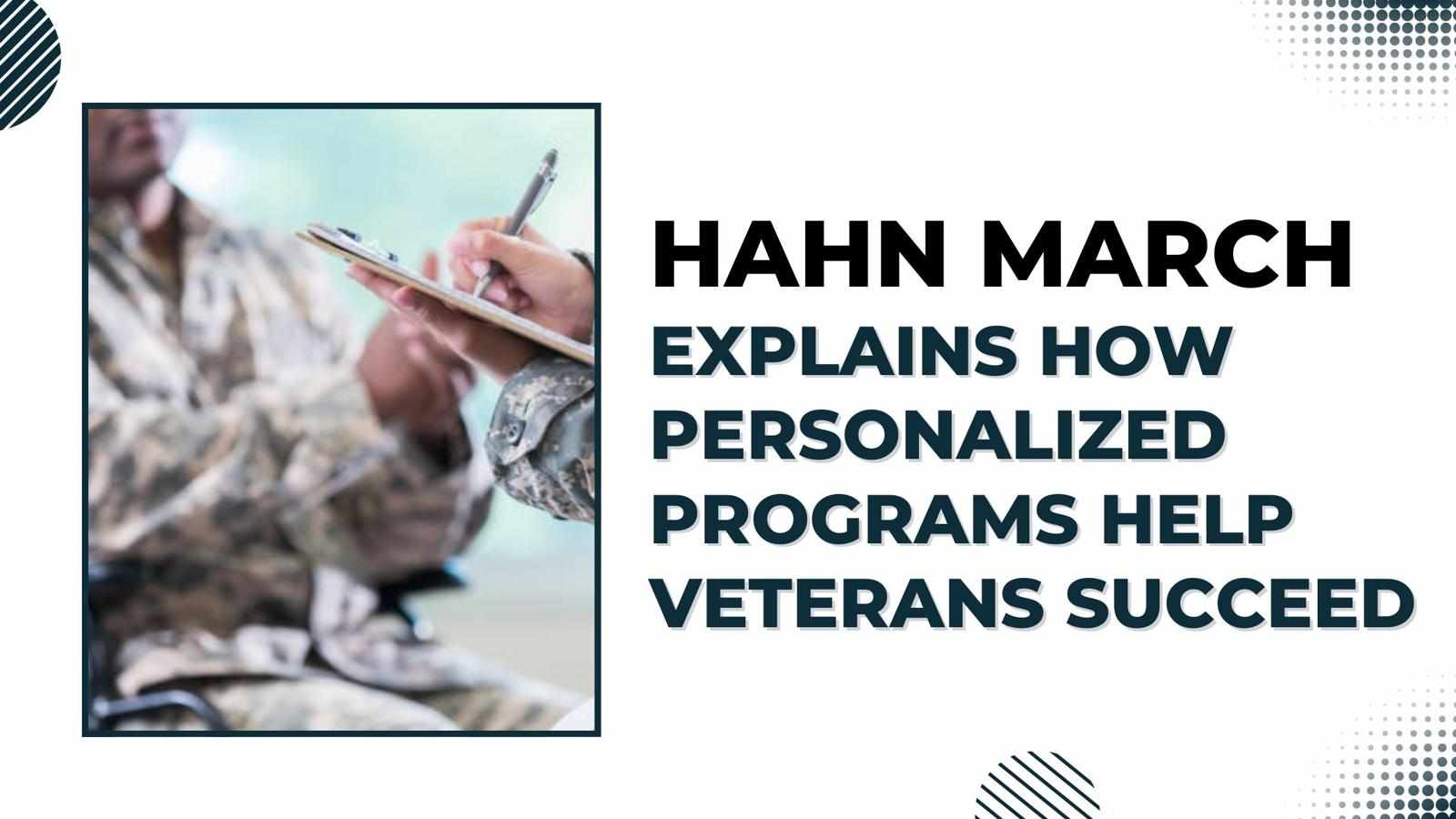
Hahn March emphasizes that early access to mental health resources—such as counseling, therapy, and support groups—can make a significant difference. These services help veterans process their experiences, reduce stress, and rebuild confidence in civilian life.
3. Encouraging Preventive Healthcare
Preventive healthcare plays a major role in protecting veterans from long-term health problems. Routine checkups, health screenings, and wellness programs help detect potential issues before they become serious.
When veterans have affordable and easy access to medical care, they are more likely to schedule regular visits and maintain healthier lifestyles.
4. Helping Veterans Build Stable Civilian Lives
Healthcare access is closely connected to stability in civilian life. When veterans receive proper medical care, they are better able to focus on education, employment, and entrepreneurship opportunities.
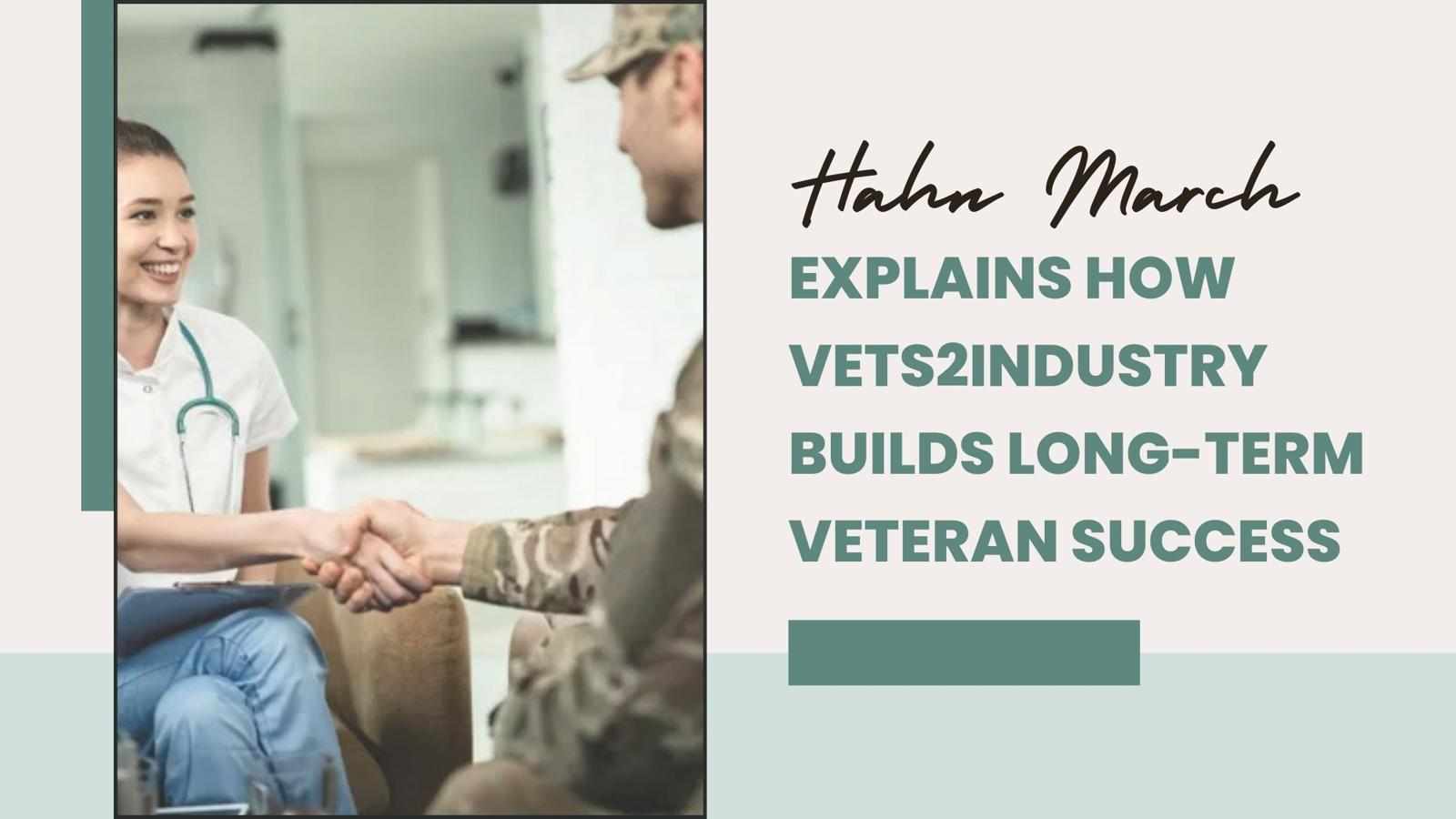
Organizations like VETS2INDUSTRY help veterans connect with healthcare providers while also offering career training, mentorship, and professional development programs.
5. Strengthening Community Support Systems
Veterans thrive when they have strong support networks. Healthcare providers, nonprofit organizations, families, and local communities all play an important role in helping veterans stay healthy and supported.
Hahn March believes that collaboration between these groups can create a stronger system of care that ensures veterans receive the services they need throughout their lives.
The Role of Organizations Supporting Veterans
Nonprofit organizations and community programs are essential in expanding healthcare access for veterans. By providing education, career guidance, and healthcare resources, these organizations help veterans build a better future.
Through VETS2INDUSTRY, Hahn March continues to advocate for programs that support veteran wellness, career growth, and long-term stability.
Conclusion
Healthcare access for veterans is essential for ensuring their long-term physical and mental well-being. Veterans often face unique health challenges after their service, and reliable medical support helps them recover, adapt, and thrive in civilian life.
Leaders like Hahn March are working to improve access to healthcare, education, and career opportunities for veterans. By strengthening healthcare systems and community support networks, society can ensure that veterans receive the care and respect they deserve.













Write a comment ...